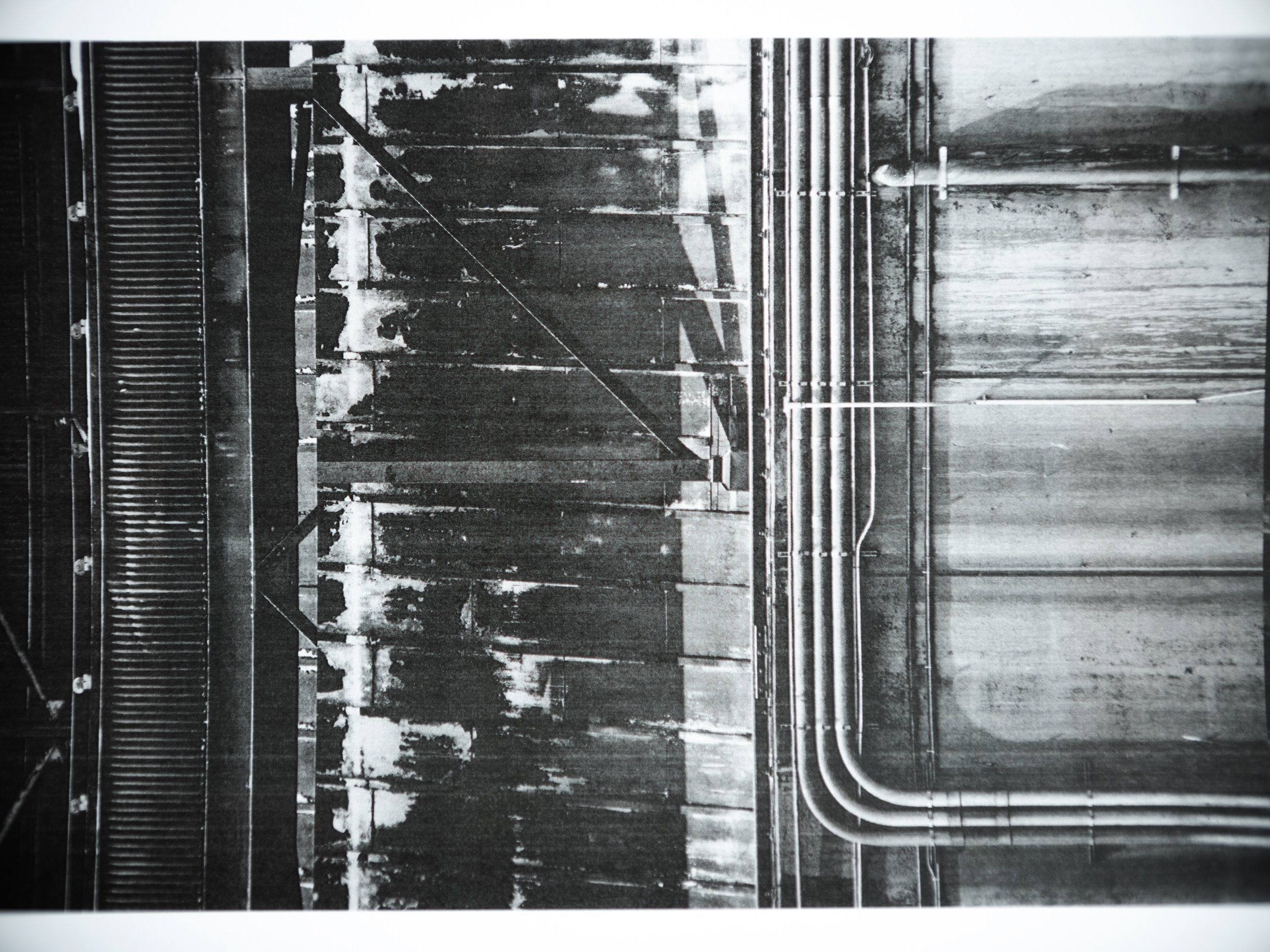
= a bent path
For a while, there seemed to be a certain unease among things — the ways we were seeing our worlds. More and more strange images kept hovering about, trying to conjure impressions or deliver new and more potent promises. I suppose I felt some underlying need to rethink how we read and relied on these drifting languages of our lives. But it needed to be something more than just another deliberate invitation to “look more closely.” Eventually, it was the idea of ‘reframing’ that became vital in this search, becoming the very backbone of a philosophy of Other.
On the other side of things, I witnessed the seduction of these promises and appeals intimately well, from inside their making — images that were often made for mere approvals alone. They were meant to leave viewers largely passive, with little more to do than act or respond. All frictions were removed. Still, I couldn’t help but feel a strange underlying difficulty beneath all this. We were offering audiences a diminished role, underestimating their attentions and their abilities to question. The capacity to discover the many hidden layers in symbols and meanings was often overlooked. Many of us just assumed that this was the proper way to frame all ‘seeing’ — as though it were in greater service to some unseen others.
In practice, the idea of ‘reframing’ became one of the more moving antidotes for me. Whether we acknowledge it or not, we do live by frames of belief in our ongoing, everyday lives. And reimagining them was one small way of recognizing how they shape us and move our sense-making skills. The relationships between one and another, giving and taking, or parts and wholes — when used in symbols and thinking — could profoundly change how we experienced the broader meanings we live among. A small change in that arrangement could have large consequences for what we are able to find. Something that seemed uneventful within a single frame could become potent when it shifted to reveal the others surrounding it — frames that might otherwise go unnoticed. That became the foundation for the bends and shifts in my own practice as well.
It was about taking light and giving it back through mirrored projections. Or it was moving several cameras over the same scene across different moments in time and space. Or it was illuminating the worn histories in our familiar landscapes. At the very least, it meant finding atmosphere in the spaces we often blindly walk past thousands of times in our daily routines.
Somewhere along the way, fact and fiction, truths and tellings, or wants and worths began to blur. In reality, they began to reflect off each other in new ways. The works grew from that same reflecting impulse. They asked viewers to edge into other ways of seeing, where relationships were built, rather than just fixed and given. There was always room for more to happen, something none of us could ever fully imagine alone.